
Why Is It So Hard to Understand Movies in English?
Articles: A, An, or The? One Simple Rule That Covers 90% of Cases
"I saw a dog in the park. The dog was huge."
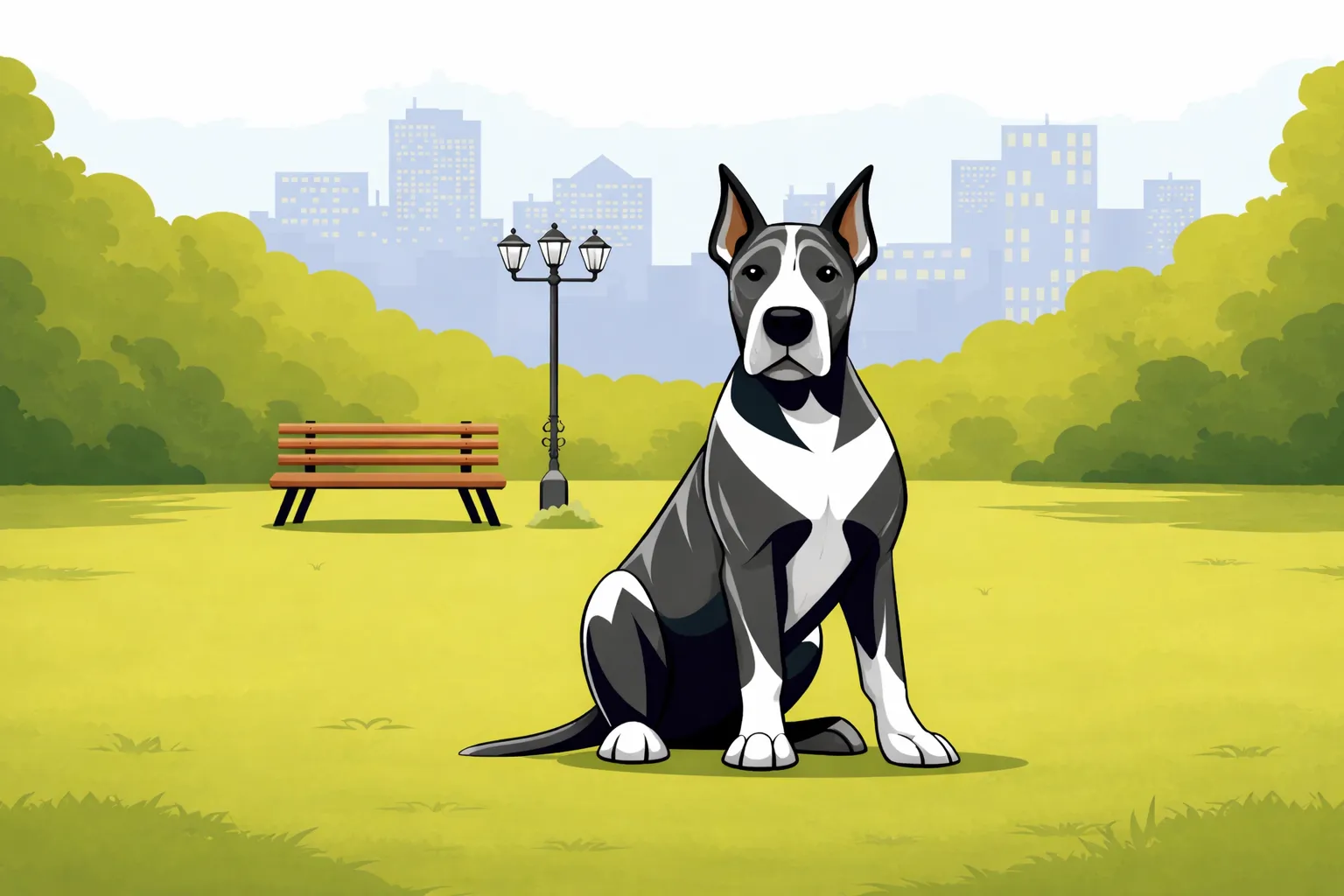
Did you notice? First it’s a dog. Then it’s the dog. Same dog. Two different words. Why?
That one example contains the entire logic of English articles. Once you see it — everything clicks.
The One Rule Behind Everything
Here it is — the rule that covers 90% of cases:
New information → A / An Information already known → The
That’s it. Really.
When you mention something for the first time — the listener doesn’t know which one you mean. So you say a or an. You’re introducing it.
When you mention it again — now you both know exactly which one. So you say the. You’re pointing to it.
❌ Sounds wrong
I bought a book. A book was really good.
✅ Natural
I bought a book. The book was really good.
The second sentence uses the because both speaker and listener already know which book — the one just mentioned.
Think of “a/an” as introducing a stranger. Think of “the” as talking about someone you both already know.
A or An — What’s the Difference?
This one is simple. It’s about sound, not spelling.
- A → before a consonant sound: a car, a book, a university (sounds like “you-ni…”)
- An → before a vowel sound: an apple, an hour (the H is silent), an honest person
| ✅ Correct | ❌ Wrong |
|---|---|
| a car | |
| an apple | |
| a university | |
| an hour | |
| a European city |
When to Use Each One
A / An — New, unknown, one of many
Use a or an when you’re talking about something for the first time, or when it’s just one of many — not a specific one.
- I need a coffee.
- She’s a doctor.
- Can you open a window?
Here a window means any window — whichever is closest. Not a specific one.
Saved to My Library
The — Known, specific, only one
Use the when both you and the listener know exactly which one you mean.
- Can you close the window?
- The coffee is getting cold.
- Did you see the news today?
The window — the specific one that’s open right now. The news — we both know which news, today’s news.
Use the also when something is unique — there’s only one in the world:
the sun / the moon / the internet / the White House / the Amazon river
Nothing — General ideas, names, languages
Sometimes no article is needed at all. This trips up many learners.
Use nothing when you’re talking about things in general — not a specific one.
❌ Sounds like specific dogs
I love the dogs.
✅ Dogs in general
I love dogs.
Life is short. Time is precious.
Also use nothing with most names of people, cities, countries, and languages:
I live in Boston. (not “the Boston”) She speaks Spanish. (not “the Spanish”) John called. (not “the John”)
The Same Sentence — Three Meanings
Look at how the article completely changes what you mean:
| Sentence | Meaning |
|---|---|
| I’m looking for a plumber. | Any plumber — I just need one |
| I’m looking for the plumber. | A specific plumber — we both know who |
| I’m looking for my plumber. | The one I always call |
Same words. Different articles. Completely different situations.
Common Mistakes — Fixed
Both exist — but mean different things
I am going to hospital. / I am going to the hospital.
American English almost always uses 'the hospital'
I'm in the hospital. (visiting someone) / She's in hospital. (as a patient — British English)
Confusing but true
She plays the piano beautifully. / She plays piano.
When in doubt — use 'the' with instruments
Both are correct — but 'plays the piano' is more common in everyday speech.
❌ Missing article
He is best player on the team.
✅ Superlatives always use 'the'
He is the best player on the team.
Quick Reference
| Use | When | Example |
|---|---|---|
| a / an | First mention, one of many | I saw a cat. |
| the | Already known, specific, unique | The cat ran away. |
| nothing | General ideas, names, languages | Cats are funny. / I love Paris. |
Think it through:
- First mention → a
- Already mentioned → the
- Specific table in that specific room → the
- First mention of the note → a
I walked into a room. The room was completely empty. On the table there was a note.
You won’t get articles right 100% of the time — even advanced learners make mistakes. But with this one rule in your head, you’ll get it right most of the time. And that’s enough to sound natural.